

How many types of Dismissal are their in Cricket : here is Complete breakdown
Cricket is a game of fine margins, intricate strategies, and complex laws. For enthusiasts and newcomers alike, understanding how a batter can be dismissed is fundamental to appreciating the tactical battle between bat and ball. While most fans are familiar with a spectacular catch or a clean bowled delivery, the Marylebone Cricket Club (MCC) and the International Cricket Council (ICC) recognize several distinct methods of dismissal.
In this definitive guide, we break down every type of “out” in cricket, from the incredibly common to the exceptionally rare, ensuring you know exactly what is happening the next time the umpire raises their finger.
1. Bowled
The ultimate satisfaction for any bowler, being Bowled is the most definitive way to dismiss a batter. It happens when a legally delivered ball hits the wicket and dislodges at least one bail from the stumps.
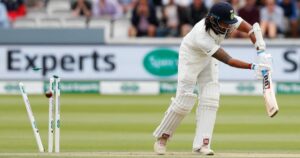
- The Core Rule: The ball can deflect off the batter’s bat or body, but it must ultimately break the wicket before the delivery becomes dead.
- Tactical Significance: It completely eliminates the fielding side’s margin for error, relying purely on the bowler’s accuracy, speed, or spin to beat the batter’s defense.
2. Caught
Statistically the most frequent dismissal across all formats of cricket, a Caught out occurs when a batter hits a legal delivery and a fielder catches the ball cleanly before it touches the ground.

- Key Conditions: The ball must have touched the batter’s bat or the hand/glove holding the bat. If it hits the arm guard or body without touching the bat/glove, a catch cannot be claimed.
- Variations: This category spans from spectacular boundary-line catches and sharp wicketkeeper takes to reflex catches in the slip cordon.
3. Leg Before Wicket (LBW)
Leg Before Wicket (LBW) is perhaps the most scrutinized and debated dismissal in the sport. It is designed to prevent a batter from simply using their pads to block the ball from hitting the stumps.
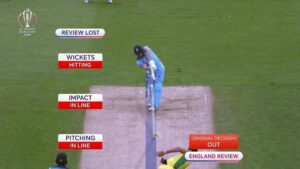
An umpire will give a batter out LBW if the ball strikes the batter’s body (usually the pads) without hitting the bat first, provided it meets the following strict criteria:
- The ball must not pitch on the leg side of the wickets.
- If the batter attempts a genuine stroke, the ball must impact the pad in a straight line between the two sets of wickets.
- The umpire must judge that the ball’s trajectory would have gone on to hit the stumps.
4. Run Out
A Run Out emphasizes alertness and fielding agility. It occurs when a batter attempts a run but the fielding side manages to put down the wicket with the ball while no part of the batter’s bat or body is grounded behind the popping crease.
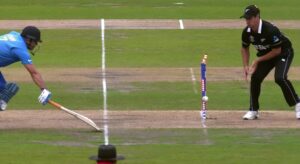
- Critical Detail: The ball must be live, and the wicket must be fairly broken by a fielder holding the ball, or by a direct throw from the field.
- Game Impact: Run outs are self-inflicted pressure points, often changing the momentum of close, high-stakes limited-overs matches.
5. Stumped
A Stumped dismissal is a testament to the seamless coordination between a bowler and the wicketkeeper. It happens when the batter steps out of their crease to play a shot, misses the delivery, and the wicketkeeper breaks the wicket before the batter can ground themselves back inside the crease.
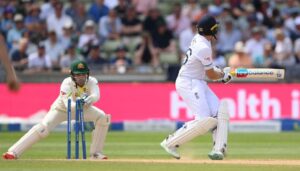
- The Nuance: Unlike a run out, a stumping can only be executed by the wicketkeeper without the intervention of another fielder, and the delivery must not be a fast-bowling “no-ball” (though a batter can be stumped off a wide).
6. Hit Wicket
A relatively rare and often dramatic dismissal, Hit Wicket occurs when a batter accidentally dislodges the bails with their bat, clothing, or equipment while preparing to receive a delivery or immediately after striking the ball.
- Context: This usually happens when a batter loses their balance, steps too far back into their crease while facing extreme pace, or violently swings for an aggressive shot.
7. Obstructing the Field
Sportsmanship and fair play are deeply embedded in cricket’s laws. A batter can be given out for Obstructing the Field if they willfully attempt to distract or obstruct the fielding side by word or action.
- Intentional Contact: This includes intentionally changing running lines to block a throw, or using the bat/hand to intercept a ball heading back to the stumps to prevent a run-out.
- Historical Note: The classic “Handled the Ball” rule (deliberately touching the ball with a hand not holding the bat) was officially integrated into the “Obstructing the Field” law by the MCC in 2017.
8. Mankad (Run Out at the Non-Striker’s End)
Named after the legendary Indian all-rounder Vinoo Mankad, this dismissal happens when the bowler breaks the non-striker’s wicket before releasing the ball, because the non-striker left their crease too early in anticipation of a run.
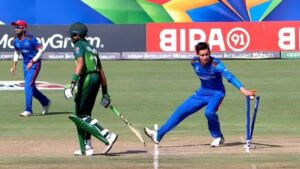
- The Law: While historically steeped in debate over the “spirit of cricket,” the ICC explicitly reclassified this from an unwritten taboo to a standard, legitimate Run Out. It places the responsibility on the non-striker to stay grounded until the ball leaves the bowler’s hand.
9. Hit the Ball Twice
If a batter strikes the ball a second time with their bat or person after it has already been played or guarded, they can be given out under the Hit the Ball Twice law.
- The Exception: A batter is legally permitted to strike the ball a second time only if the sole purpose is to defend their stumps from being hit. They cannot score runs off a second strike.
10. Timed Out
Cricket operates on strict schedules. When a batter is dismissed, the incoming batter must be ready to face the next delivery—or be at the crease with their partner—within a strictly defined window (usually 2 to 3 minutes depending on the format).
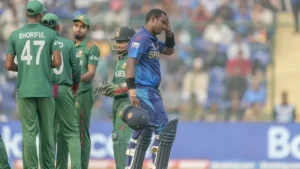
- If the incoming player fails to meet this deadline without a valid delay (such as an injury), they can be declared Timed Out upon an appeal from the fielding captain.
11. Retired Out
While a batter can leave the field due to illness or severe injury (classified as *Retired Hurt*), they are free to retire their innings at any point for tactical reasons. However, if they do so without the explicit permission of the umpire and fail to return later in the innings, they are recorded as Retired Out.
Frequently Asked Questions
5. How many types of dismissals are there in cricket?
According to the official Laws of Cricket by the Marylebone Cricket Club (MCC), there are 10 official types of dismissals in cricket.
6. Which is the most common dismissal in cricket?
Caught is the most common type of dismissal in all formats of cricket.
7. What is “Bowled” in cricket?
A batter is out Bowled when the ball hits the stumps and dislodges the bails.
8. What does LBW mean in cricket?
LBW stands for Leg Before Wicket. A batter is out if their leg blocks a ball that would have hit the stumps.
9. What is the difference between Run Out and Stumped?
Run Out: Batter is outside the crease and fielders break the stumps.
Stumped: Usually done by the wicketkeeper when the batter steps out of the crease and misses the ball.
10. What is the rarest dismissal in cricket?
Timed Out is considered one of the rarest dismissals in cricket history.
11. Can a batter be out without facing a ball?
Yes. A batter can be Run Out or Timed Out without facing a delivery.
12. What is Hit Wicket dismissal?
A batter is out Hit Wicket if they accidentally hit their own stumps while playing a shot or taking a run.
13. Can a batter be given out twice on the same ball?
No. Once a batter is dismissed, the ball becomes dead for that batter.
https://cricalien.com/different-types-of-pitches-in-cricket-explained/