

Will Rohit Sharma Feature in the 2027 ODI World Cup? Veteran Opener Navigates Fitness Hurdles
Table of Contents
The strategic blueprint for India’s 2027 ODI World Cup campaign has officially entered its operational phase, igniting fierce debates across the cricketing landscape. As national selectors look to usher in a highly agile, younger generation of white-ball cricketers, legacy reputations are no longer serving as definitive shields. With modern athletic benchmarks reaching unprecedented heights, the grueling demands of 50-over cricket are compelling the team management to make ruthless, objective assessments of its most decorated icons.
The Afghanistan Series: A Stopgap Solution, Not a Future Blueprint
Following the monumental retirement of Rohit Sharma and Virat Kohli from the longest format of the game, Indian cricket has been transfixed by a solitary, polarizing question: Can the legendary batting pair withstand the physical toll required to anchor the squad for the 2027 World Cup in Southern Africa?
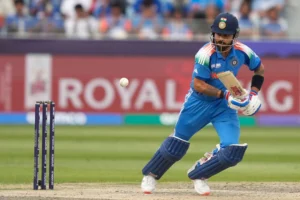
The newly unveiled ODI squad for the June bilateral series against Afghanistan has only intensified this debate. While both iconic names have been included in the team sheet, internal team sources indicate that this selection is a provisional arrangement rather than a permanent vision for the upcoming ICC mega-event.
The selection committee’s underlying apprehension stems from the contrasting physical trajectories of the two aging stalwarts. While both remain crucial pillars of Indian cricket, their individual fortunes have dramatically diverged over the recent home season. Desperate to construct a durable core capable of handling the taxing African conditions, selectors are beginning to look beyond past laurels. Consequently, the upcoming bilateral fixtures are being treated as an active, high-stakes auditing process for the senior guard.
A Tale of Two Icons: Kohli Rebounds as Rohit Faces Fitness Concerns
Not long ago, Virat Kohli found himself under a similar microscope. After enduring a rare slump that included consecutive ducks, critics questioned whether his ODI career was nearing its natural end. However, the prolific batsman responded with trademark resilience, delivering authoritative performances against New Zealand and South Africa to lift his staggering ODI career aggregate to 14,797 runs at an elite average of 58.71.
By re-establishing his absolute dominance, Kohli proved that his aerobic capacity and mental fortitude remain perfectly aligned with the demands of the 50-over format. His clinical run-scoring has successfully reassured the team management that his physical engine can go the distance.
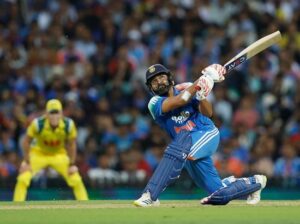
Conversely, Rohit Sharma’s physical longevity has emerged as the primary roadblock to his World Cup aspirations. The veteran opening batsman suffered a significant hamstring tear midway through the 2026 IPL season, forcing him to sit out five critical encounters for the Mumbai Indians. Although he has been named in the squad to face Afghanistan, his inclusion remains strictly provisional and subject to clearing rigorous medical clearances. The support staff is managing his rehabilitation with extreme caution, well aware that a compromised hamstring cannot endure the explosive twisting and turning required in international one-day cricket.
The African Landscape and India’s Tactical Contingency Plan
While some external media reports suggest Rohit’s recovery path remains stable, the recurring nature of his soft-tissue injuries remains a major red flag for the BCCI selection panel. Coupled with a lean patch against New Zealand where he averaged a modest 20.33, doubts are mounting over whether his body can sustain peak international performance for another year—especially considering the rigorous demands of playing in South Africa.
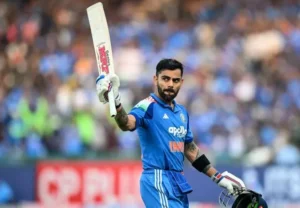
The 2027 World Cup, slated for the early African summer, will demand peak physical conditioning. Expansive outfields like the Wanderers in Johannesburg mean that relentless boundary-riding and rapid running between the wickets are completely non-negotiable. At a recent press briefing, chief selector Ajit Agarkar subtly highlighted these concerns, emphasizing that the medical department will meticulously monitor the workload capacities of veteran players before granting full match clearance.
“We naturally want our best players on the field, but physical readiness is strictly under the purview of our strength, conditioning, and medical experts. We will act entirely on the precise feedback they provide,” Agarkar noted during a BCCI press conference.
Acknowledging that time is a premium luxury, India has already initiated an aggressive transition plan, grooming the dynamic Ishan Kishan as the primary alternative at the top of the order. Kishan’s phenomenal T20 World Cup display—where he systematically dismantled bowling attacks to accumulate 317 runs at a blistering strike rate of 193.29—has propelled him ahead of Yashasvi Jaiswal in the current white-ball pecking order.
With Shubman Gill firmly installed as the all-format national captain, Kishan’s aggressive, fearless approach at the top provides India with a seamless tactical pivot should Rohit’s fitness falter. The high-profile tour of England scheduled for July is now universally regarded as Rohit Sharma’s definitive proving ground to validate his long-term international viability.