

How Reverse Swing Was Invented: The Untold Story Behind Cricket’s Deadliest Weapon
For decades, fast bowlers relied on conventional swing—moving a shiny new ball through the air But somewhere along the way, something unexpected happened. Old, rough balls started behaving differently, reversing direction mid-air and leaving batters clueless.That phenomenon is called Reverse Swing—and it completely transformed cricket.If you’ve ever wondered how reverse swing was invented, who discovered it, and why it works, this guide breaks it down in simple terms. You’ll learn the real history, the science behind it, and why it remains one of the most feared skills in modern cricket.
What Is Reverse Swing in Cricket?
Before diving into its invention, let’s quickly understand the concept.Reverse swing occurs when an old cricket ball moves in the opposite direction of conventional swing.
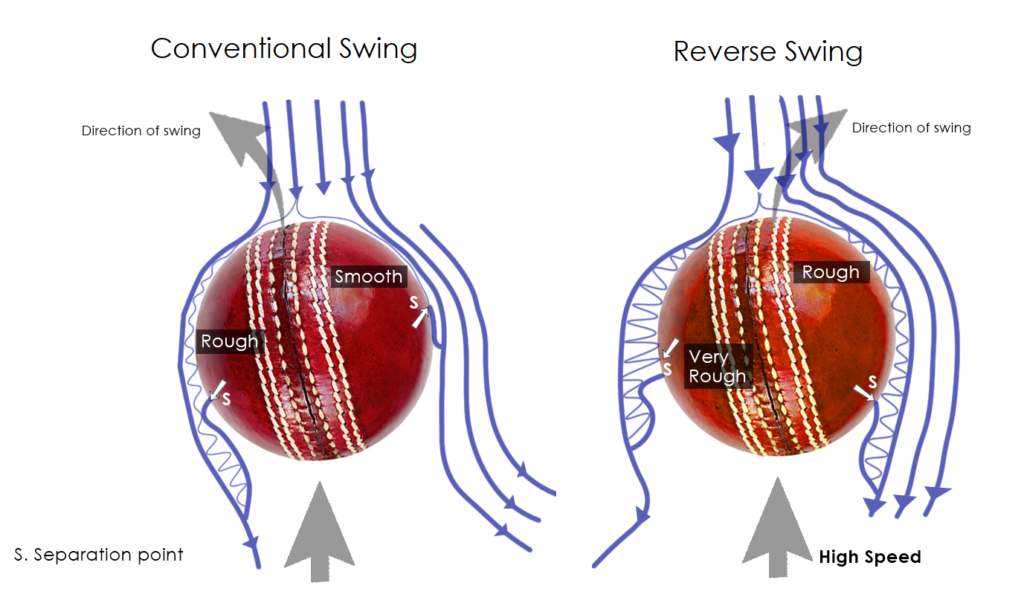
Unlike early overs where the shiny side controls movement, reverse swing happens when:One side of the ball is very rough The other side is kept relatively smooth The ball is bowled at high speed (usually 135+ km/h)
Conventional swing: Ball moves towards the shiny side Reverse swing: Ball moves away from the shiny side This unexpected movement makes it extremely difficult for batters to judge.
The Origin of Reverse Swing: Who Invented It?
The invention of reverse swing is widely credited to Pakistani cricketers in the 1970s.Sarfraz Nawaz is often called the father of reverse swing.While playing for Pakistan
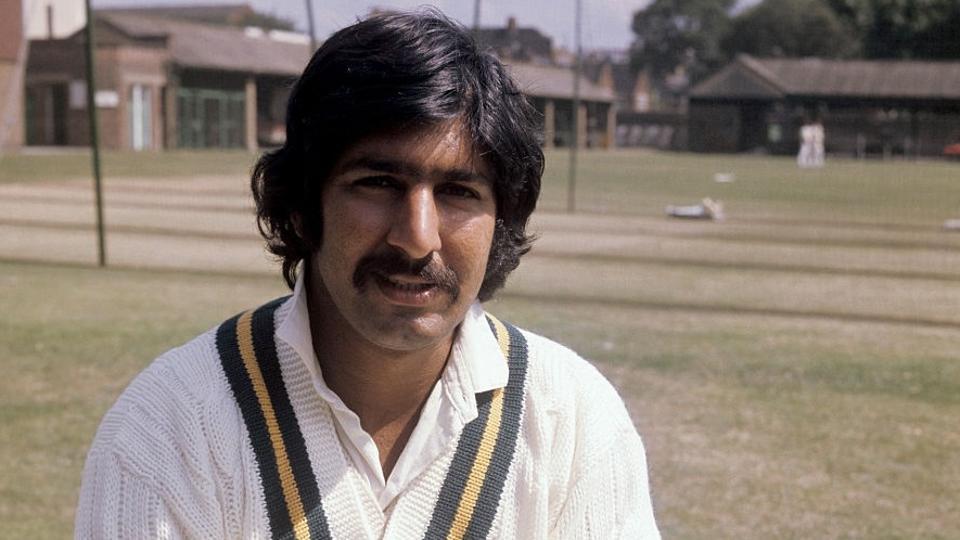
he noticed something unusual:Older balls, when bowled fast, started swinging in the opposite direction.Instead of dismissing it as luck, he studied it, practiced it, and mastered it.Sarfraz shared his discovery with Imran Khan, who took it to another level.Under his leadership, Pakistan’s fast bowlers:Refined the technique Used it strategically in matches Made it a global talking pointImran’s influence helped reverse swing gain recognition in international cricket.
How Reverse Swing Became Famous Worldwide
reverse swing didn’t stay a secret for long.The Rise of Pakistan’s Deadly Duo in the 1980s and 1990s, two bowlers turned reverse swing into an art form:Wasim Akram Waqar Younis these bowlers:Bowled at extreme Pace mastered late Swing targeted the stumps with deadly Accuracy their ability to produce late reverse swing yorkers made them nearly unplayable, especially in subcontinental conditions.
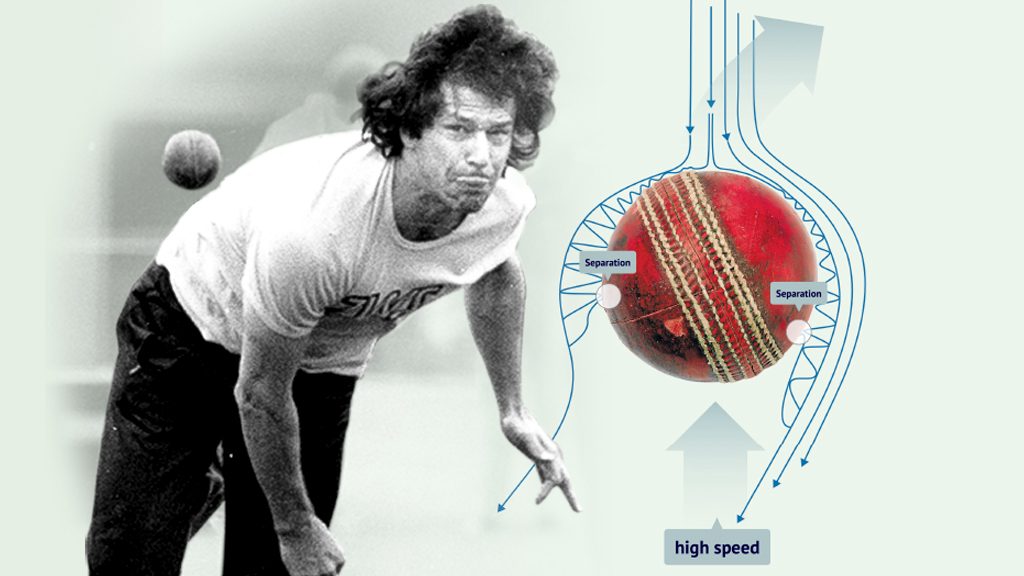
Impact on World Cricket soon, teams around the world began:Studying the Technique training bowlers to replicate It developing ball management Strategy reverse swing became a must-have skill for fast bowlers.
The Science Behind Reverse Swing
Reverse swing might look like magic, but it’s actually physics.Key Factors That Make It Work. Ball Condition One side: rough (damaged)Other side: smooth (polished)2. Airflow Difference smooth side allows faster Airflow rough side creates turbulence 3. High Speed at high speeds, airflow behaves differently:The ball swings towards the rough side (opposite of conventional swing)Why It’s Hard to Play movement happens late, just before reaching the Batter direction is counter intuitive Requires quick reaction Time this is why even top players struggle against it.
Conditions That Help Reverse Swing
Reverse swing doesn’t happen in every match. Certain conditions make it easier.Ideal Situations Dry, Abrasive Pitches in countries like India or Pakistan, pitches often:Wear the ball Faster create rough surfaces Quickly hot Weather heat helps:Dry out the Ball increase Roughness longer Format reverse swing is more common in:Test Matches late overs in Odi example in India in places like Madhya Pradesh or Delhi, where grounds can be dry, bowlers often use reverse swing effectively in longer matches.